

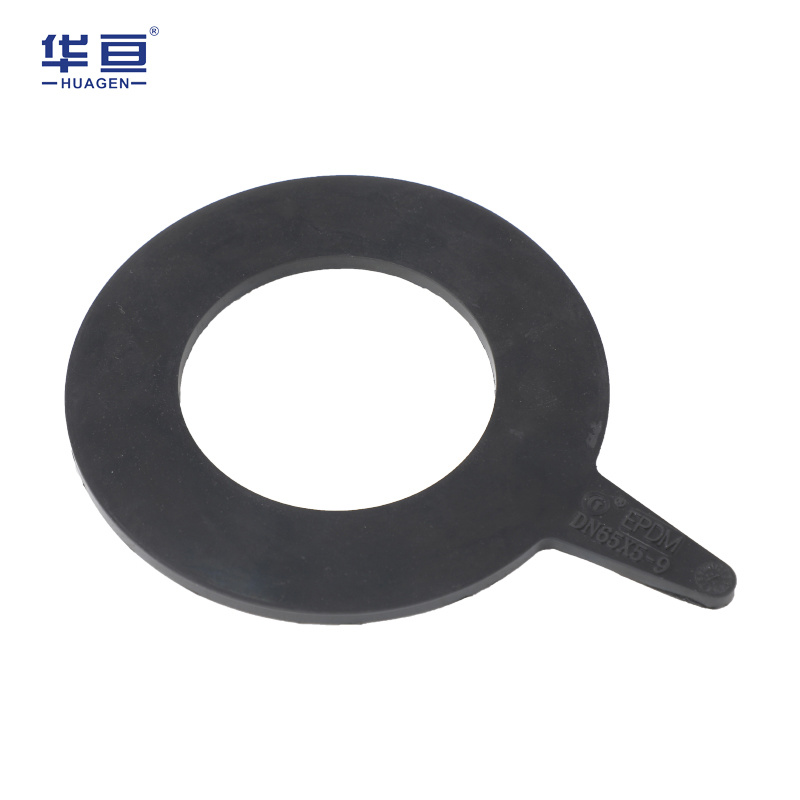
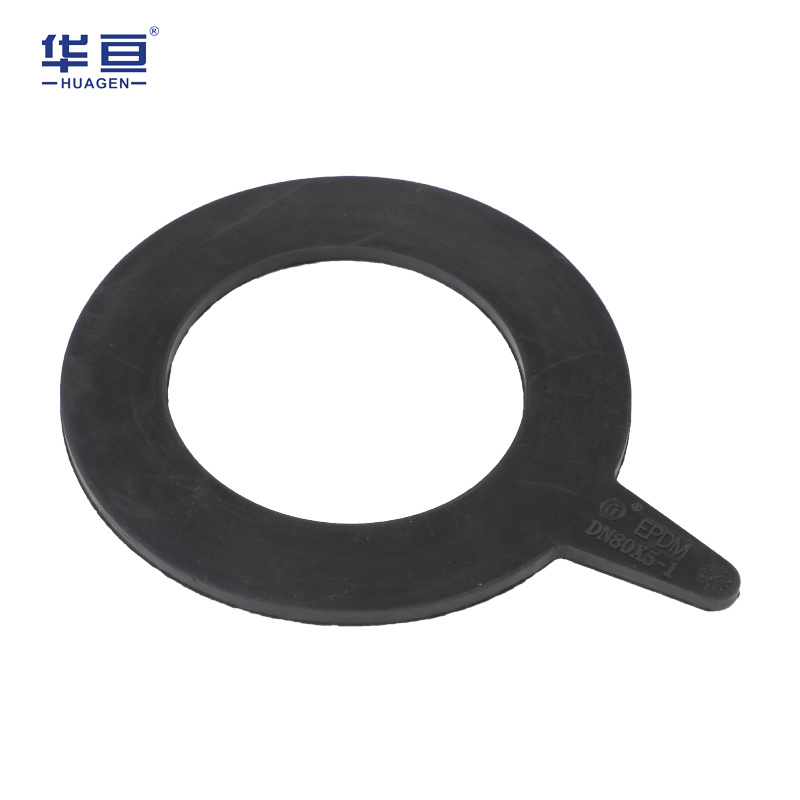
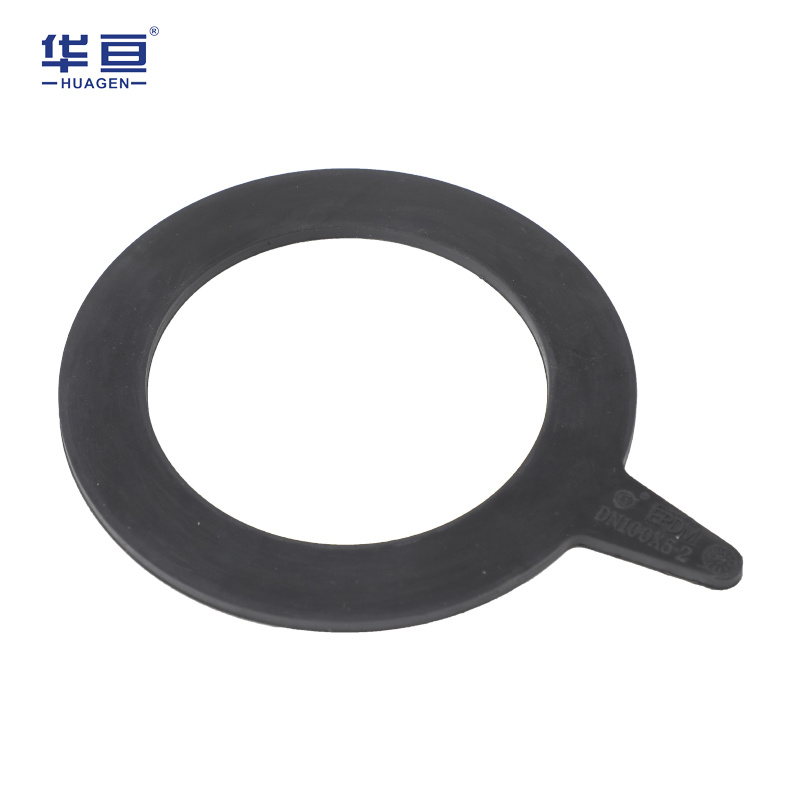
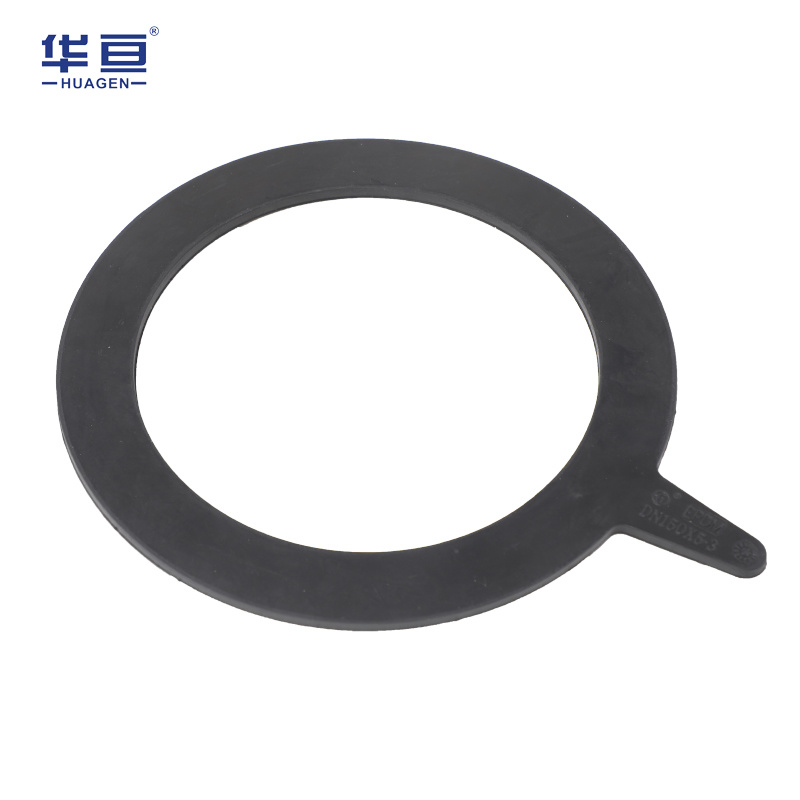
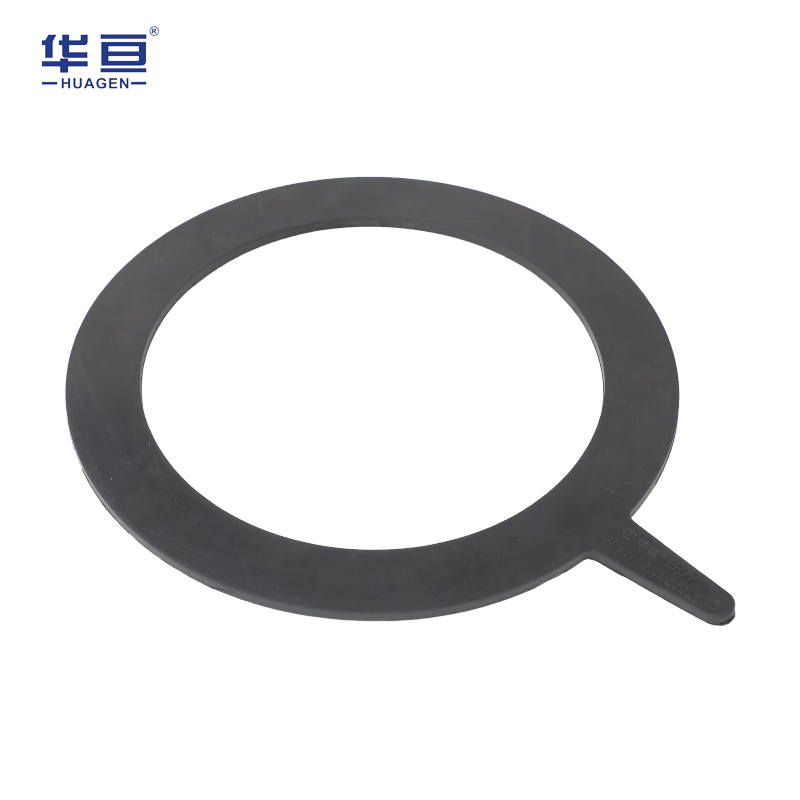
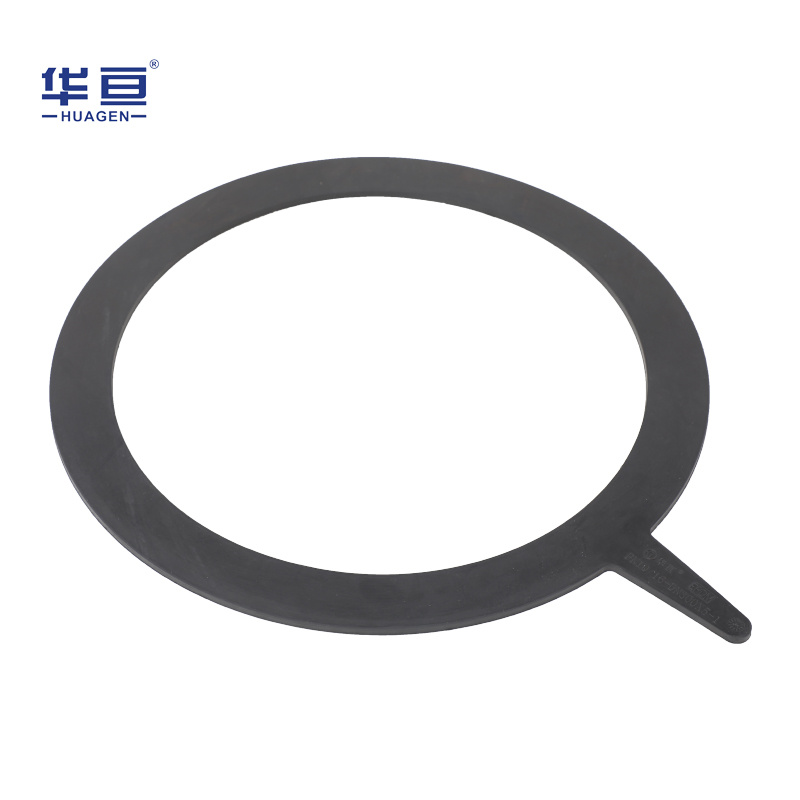

Wide Range Reducing Flexible Joint
Support Customized Processing
Ductile iron wide tolerance stepped coupling is a coupling used to connect two pipes or fittings of different sizes. It is made of ductile iron, which is a cast iron that is more flexible and durable than traditional cast iron.
MOQ:
1000
- Commodity name: Wide Range Reducing Flexible Joint
Support:
hgxs@hbhuagen.com
- Product Description
-
Ductile iron wide tolerance stepped coupling is a coupling used to connect two pipes or fittings of different sizes. It is made of ductile iron, which is a cast iron that is more flexible and durable than traditional cast iron.
The wide tolerance design of the coupling allows a larger range of pipe sizes to be connected, thereby reducing the need for multiple couplings and fittings. The stepped design of the coupling provides a safe and tight fit between the pipes, ensuring a leak-free connection.
Ductile iron wide tolerance stepped couplings are commonly used in industrial applications such as water and wastewater treatment plants, and oil and gas pipelines. They are also used in plumbing and HVAC systems to connect pipes of different sizes.
Overall, the ductile iron wide tolerance stepped coupling is a reliable and cost-effective solution for connecting pipes of different sizes. It can provide a safe and leak-free connection and can withstand the requirements of various applications.
• Wide OD range: 21mm on average.
• Small number of models with nominal diameter.
• Reliability:
-When the gasket between the end flange and the sleeve is compressed to the surface of the pipe, the permanent leak-proof joint.
-Corrosion protection: Epoxy powder coating (150 μm) and Dacrosome®Gr.B for 500 bolts.
• Ease and speed of installation:
-Angular deflection ± 6 °.
-Absorbs expansion and contraction.
-Adapt to dislocation.
-Important set gaps.
Conform to the standard:
-NF A 48-830: Cast Products-Ductile Iron
Pressure PVC drinking water pipe fittings.
-NF EN 545: Ductile iron pipes, fittings, accessories and their joints for water pipelines-Requirements and test methods.
-ISO 2531: Ductile iron pipes, fittings, fittings and their joints for water applications.
• Approval:
-Drinking water approval.
Note:
This coupling does not resist longitudinal forces and ensures that sufficient restraint is provided to prevent pipe misalignment.
Technical Data
• Range: DN 40/50 to 400.
• Maximum working pressure: PN 16.
• Temperature: 0°C to 60°C.
• Torque: 60 to 70 Nm.
Application
• Drinking water network.
• Pumping, treating and storing water.
• Fire network.
Irrigation network.
• Sewage networks and drainage
(WC type - EN 681-1)。
Test
• Seal test according to standard ISO 2531.
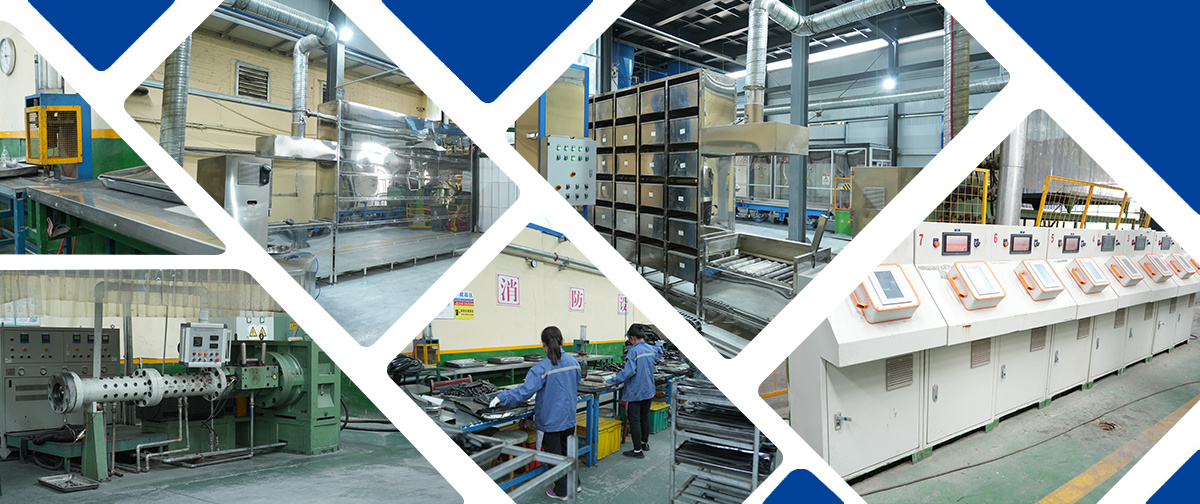
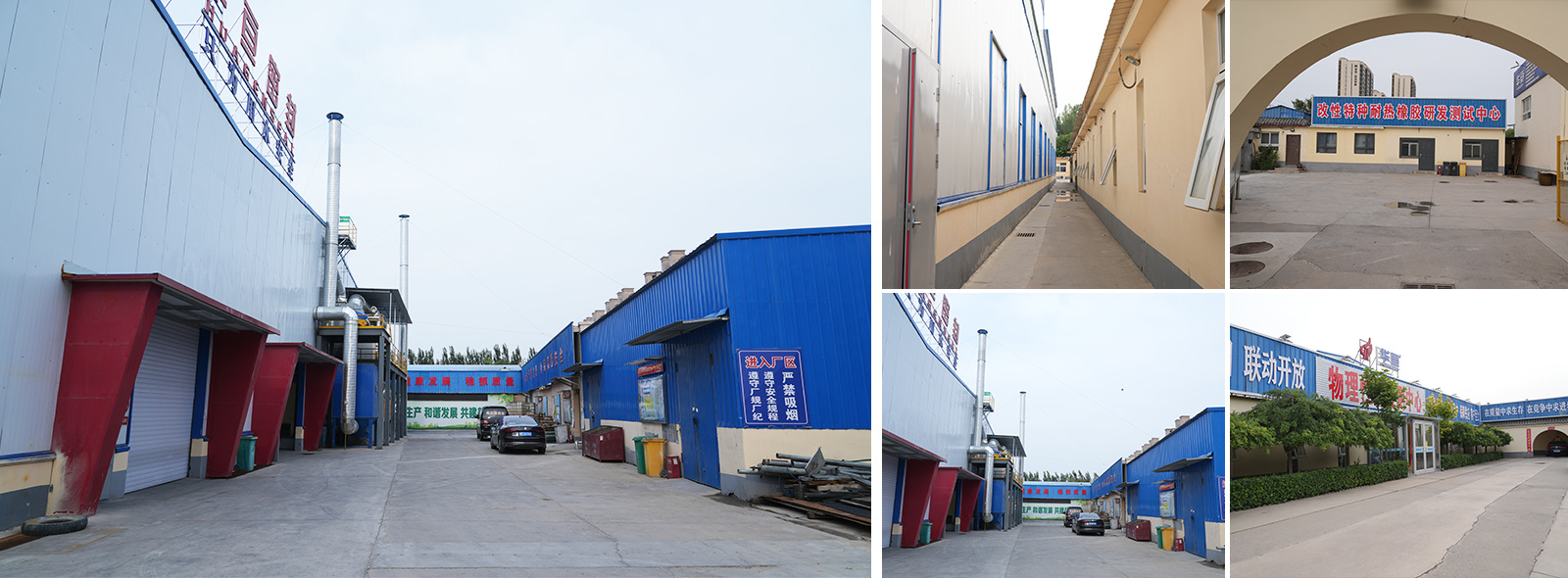
Production Workshop
Company development direction: Strive to become a leader in specialized manufacturing and technological innovation of sealing products for water and thermal pipelines in the pipeline interface sealing industry.
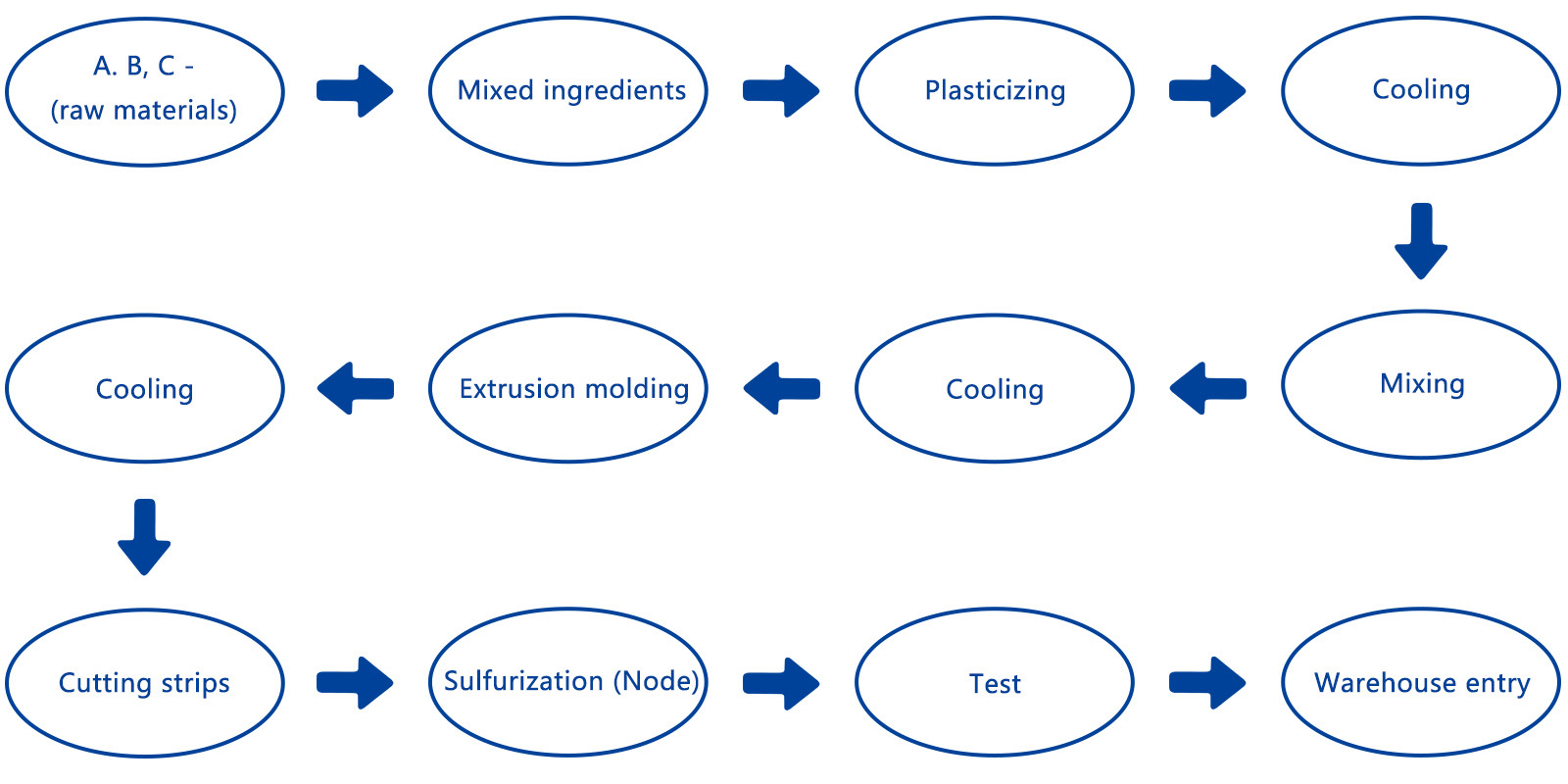
Production Process
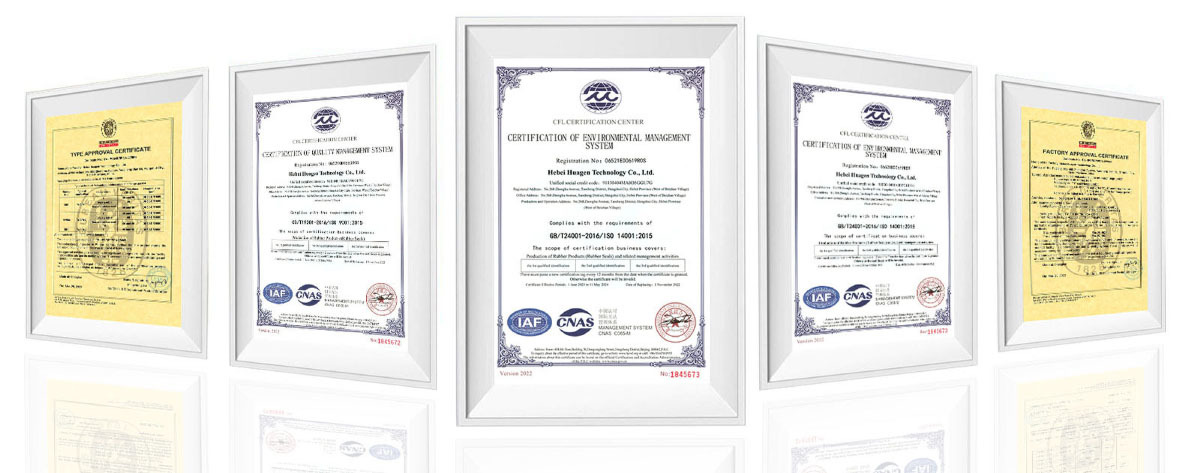
Qualification Certificate
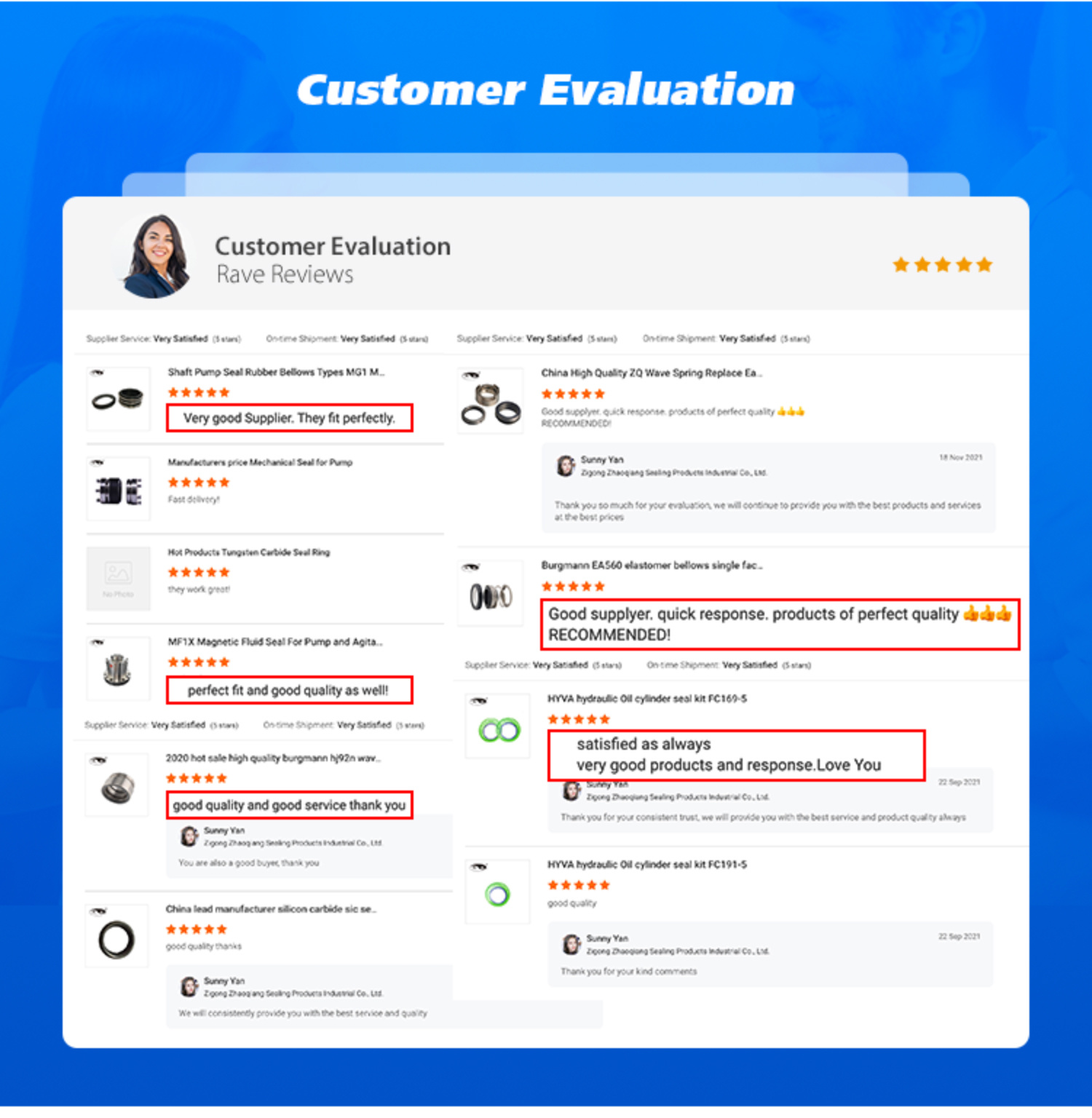
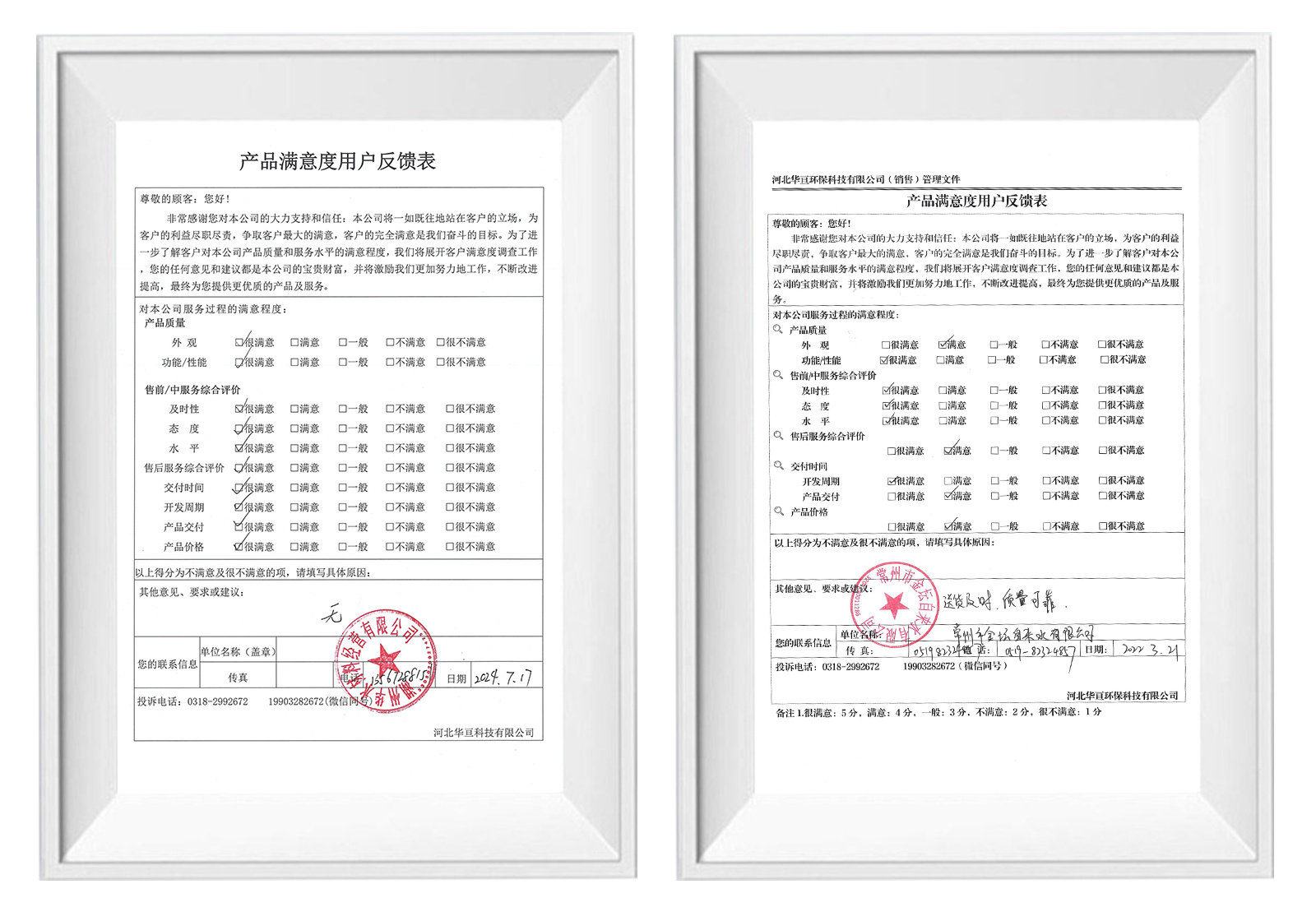
Buyer Reviews
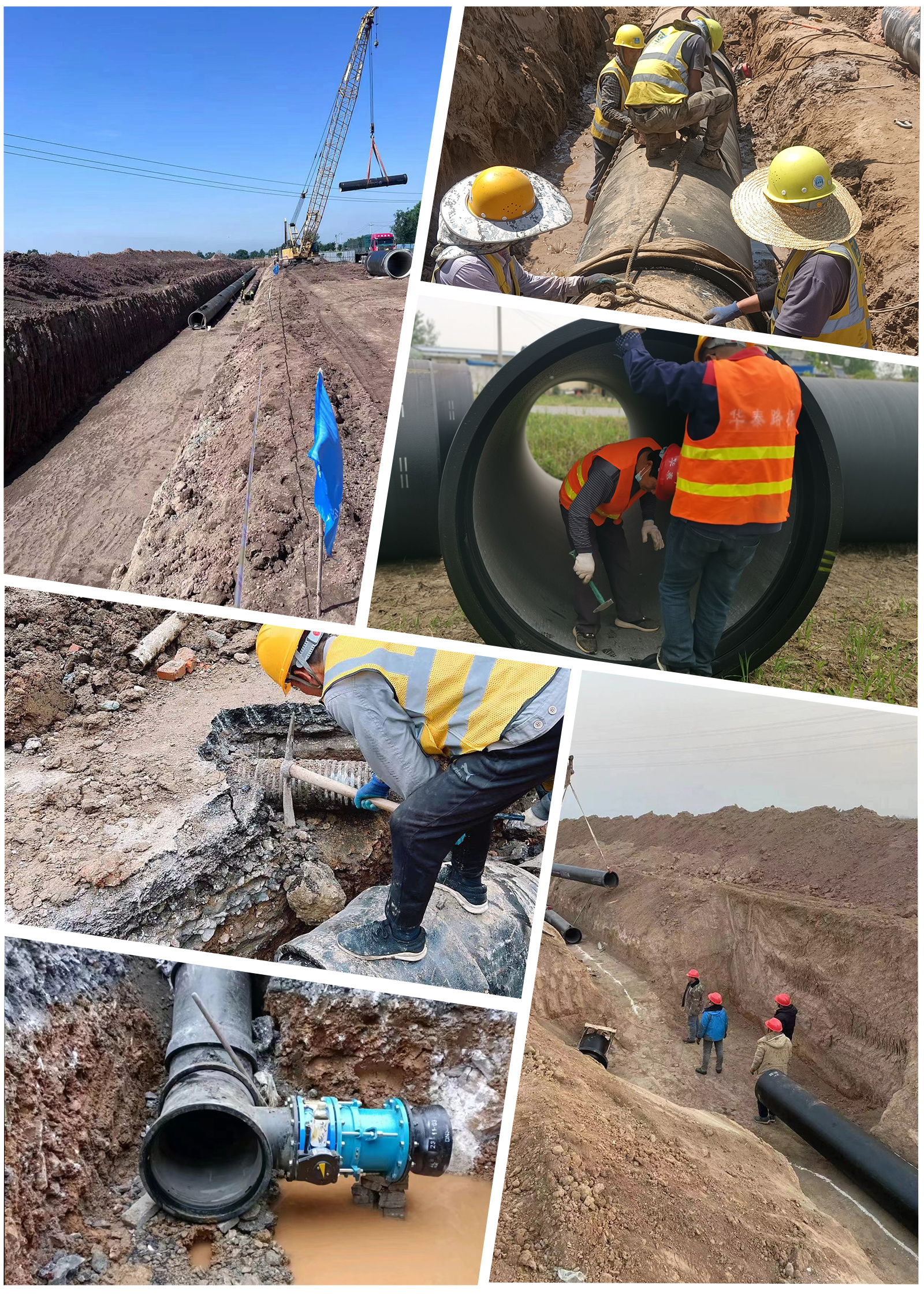
Engineering Case
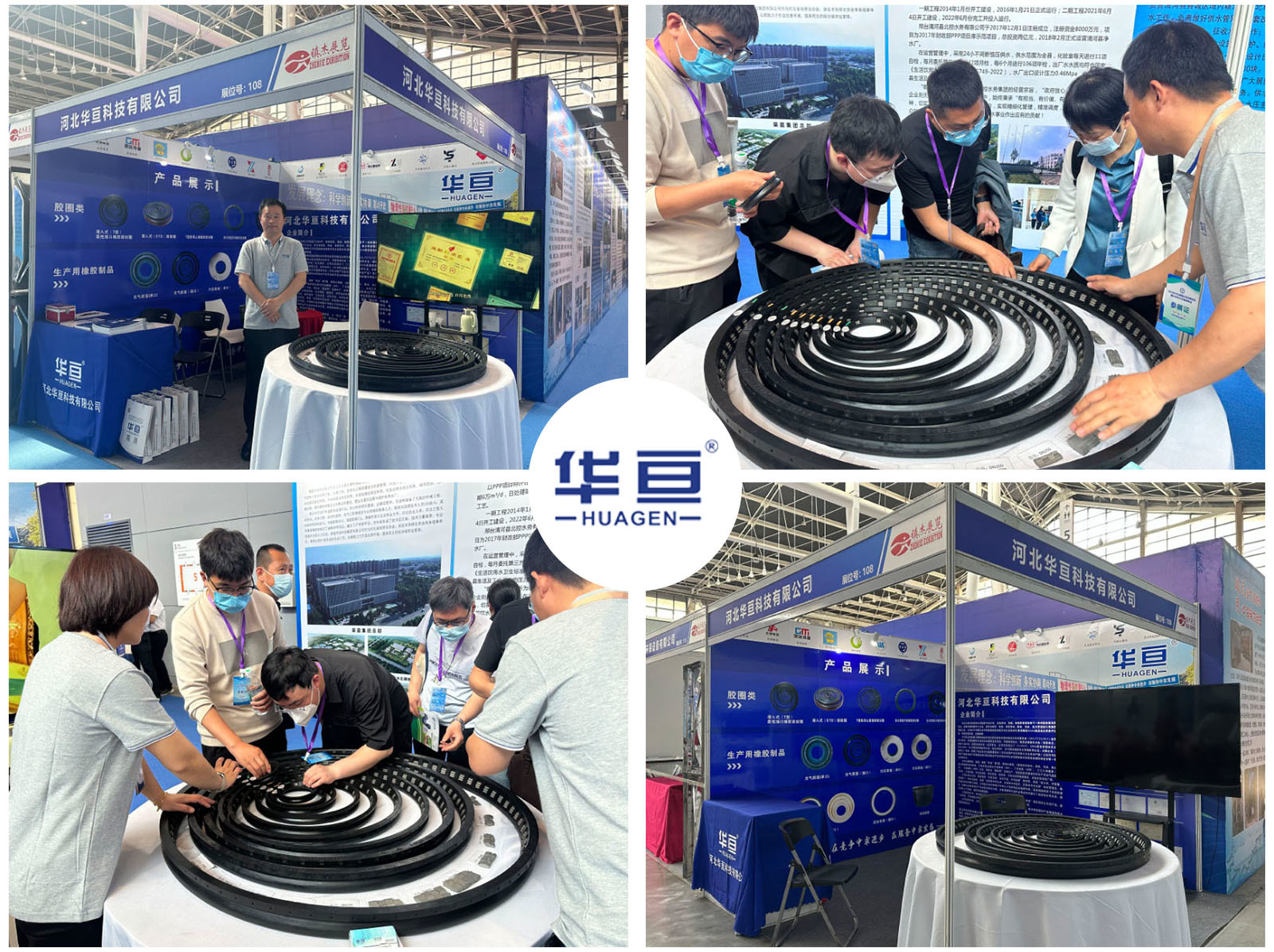
Exhibition Team
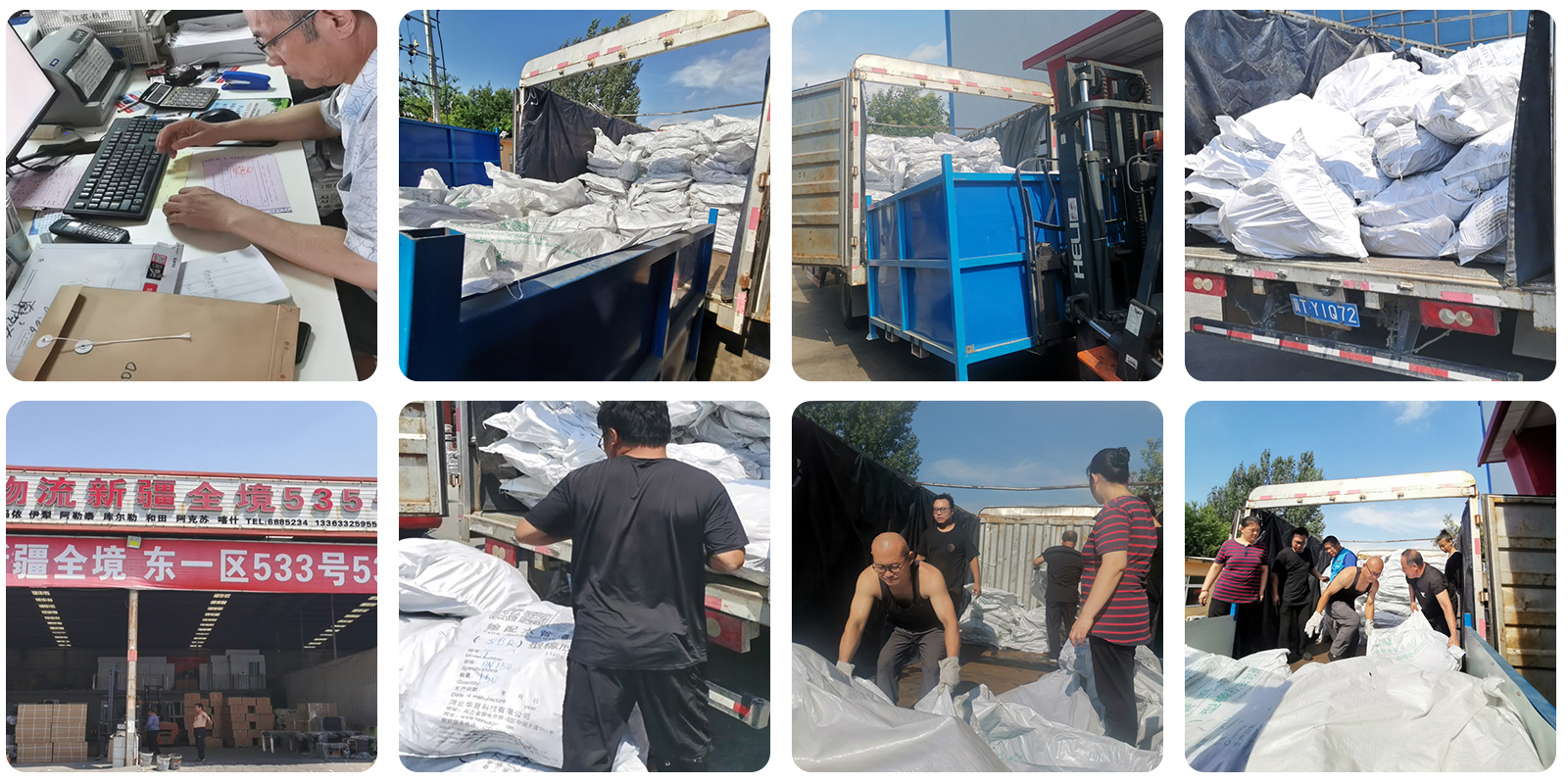
Logistics Delivery
Factory Panorama
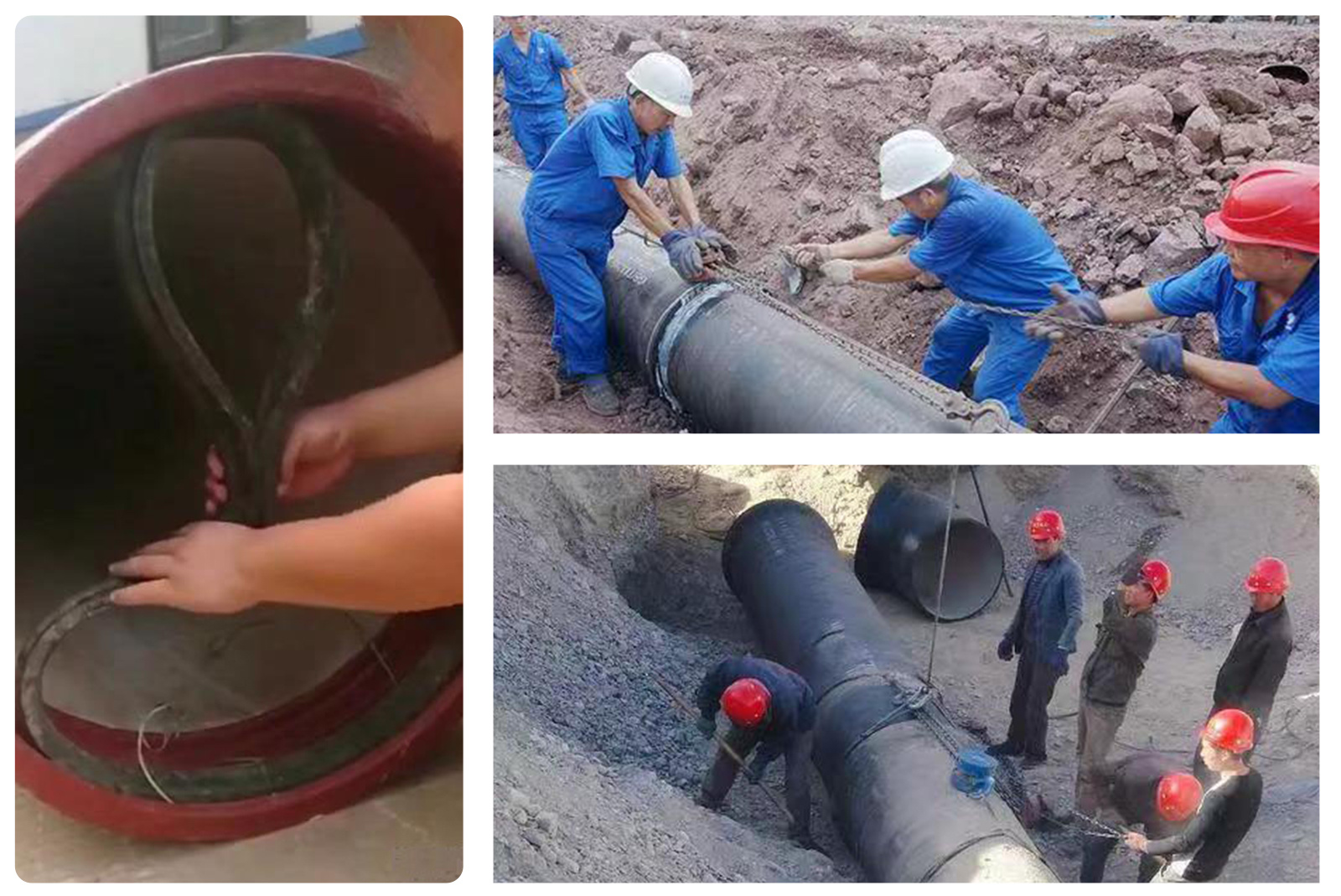
Application Scenarios
Common Problem
★ 1. Cracks and fractures: Rubber rings may experience cracks and fractures during use due to stress or aging.
The treatment method can be to repair or replace rubber rings with cracks and fractures. Rubber patches or glue can be used for reinforcement during repair.
★ 2. Deformation and hardening: Rubber rings may undergo deformation and hardening when used for a long time or exposed to external environments such as high temperatures and chemicals.
The solution can be to replace the deformed and hardened rubber rings. In addition, appropriate maintenance measures can be taken, such as avoiding exposure to extreme temperatures and using suitable lubricants, to extend the service life of the rubber ring.
★ 3. Corrosion and aging: Rubber rings can experience corrosion and aging after prolonged use or exposure to corrosive effects such as chemicals and oxygen.
The solution can be to replace the rubber rings that have corrosion and aging. In addition, appropriate maintenance measures can be taken, such as storing in a dry, cool, and well ventilated environment, to extend the service life of the rubber ring.
★ 4. Friction damage: Rubber rings may experience friction damage when in contact or friction with other hard objects.
The treatment method can be to repair or replace the rubber ring with friction damage. Rubber patches or glue can be used for repair.
Keyword:
Get A Quote
Note: Please leave your email address, our professionals will contact you as soon as possible!